
Balance Transfer Credit Cards (August 2026) - Every Current Offer Compared
Get 0% interest to help repay credit card debt; our guide to New Zealand's balance transfer credit cards lists the cards available, their fees and default interest rates, and qualifying information.

Updated 30 August 2026
Important: This guide was relaunched in August 2026. Every rate, fee and rewards figure was checked against each issuer's published terms. Issuers can change these at any time, so confirm the details on the issuer's site (linked under each card) before you apply. Report an error on this page - no name or email needed.
Summary of Balance Transfer Credit Cards
- Balance transfers can save hundreds (if not thousands) of dollars in fees and interest if used intelligently.
- From time to time, some banks offer a 0% or low-interest deal for 6 to 12 months, offering relief to those battling credit card or store card debt.
- You can't transfer a balance from a card issued by the same bank. For example, if you have a BNZ credit card, you will need to apply with other banks such as ASB.
- If you've got credit card debt that's causing pain and making repayments is a struggle, a balance transfer may be right for you.
- Check our credit card interest calculator to see how much you are paying and what you can save.
Credit card interest rates hover around 20% per annum, so transferring your balance can save you hundreds or thousands a year on existing credit card debt. Credit card balance transfers are new cards which you can apply for, and once approved, your existing debt from one card moves to the new card. You get a lower interest rate, meaning you can be free of debt faster.
This guide walks you through the process of moving your debts to a balance transfer credit card, and compares the various offers currently available and the fees and limitations. The guide explains and answers:
Advertising Disclaimer: MoneyHub may earn a referral bonus for anyone that’s approved through some of the below links. Our research and findings are independent of any bank, credit card issuer, or product manufacturer/service provider, and have not been endorsed by any of these entities. Please see our Advertising Policy for more details about how we make money.
This guide walks you through the process of moving your debts to a balance transfer credit card, and compares the various offers currently available and the fees and limitations. The guide explains and answers:
- What is a Balance Transfer?
- The 9 Rules of Credit Card Balance Transfers
- Balance Transfer Credit Cards
Advertising Disclaimer: MoneyHub may earn a referral bonus for anyone that’s approved through some of the below links. Our research and findings are independent of any bank, credit card issuer, or product manufacturer/service provider, and have not been endorsed by any of these entities. Please see our Advertising Policy for more details about how we make money.
MoneyHub Founder Christopher Walsh shares his views on Balance Transfer Credit Cards:
|
"Certain banks are 'generous' with their balance transfer offers - giving you a 0% interest rate to help you pay off debt is very useful. The problem is you're not winning unless you maximise the 0% interest period and get debt-free".
"Banks are picky about who they give balance transfer credit cards to, as, after all, it's an unsecured debt they're lending. We've shortlisted the deals below based on the interest rate and fees". "I get emails from everyday New Zealanders who can't seem to pay off their credit card debts. These tend to be average income earners who have around $5,000 to $10,000 on store cards, Q Card/GEM Visa and/or credit cards. The reality is that with the cost of living, repaying debt isn't easy when you're paying high-interest rates on the money you owe. The problem is, the debt isn't going away - I believe a balance transfer credit card, when used correctly, will help clear the debt(s) you've built up". My view is simple: Whatever you do, please clear the balance you transfer. That is the entire point of the card. Balance transfer credit cards are a temporary safety net from aggressively high credit card interest rates - this guide is designed to help you repay what you owe and move on. Please follow it carefully to get rid of arguably the most useless debt you'll ever have". |

MoneyHub Founder
Christopher Walsh |
The video below explains what you need to know about Balance Transfer Credit Cards and how to get your debt sorted:

What is a Balance Transfer Credit Card?
- A balance transfer happens when you receive a new credit card which takes the balance from an existing card. In the process, you owe the new credit card the money, and the existing card is repaid.
- The new credit card will have a low interest rate, often 0%. You may also be charged an annual fee for the new card.
- With a balance transfer credit card, your interest rate is low, or 0% for a set period. This lets you pay the debt off faster as you’re not paying interest on top. Balance transfer credit cards are a fast way to clear debts.
Picking a Suitable Balance Transfer Credit Card
- We suggest considering a card with the longest low-interest rate period (i.e. 12 months vs 6) even if the annual fee is higher. Credit card interest is a killer, so locking in the balance interest-free for longer is going to save a lot.
- Most importantly, as the old card is now free of debt, we recommend lowering the credit limit so you can still use it but only for emergencies. It’s pointless to clear the balance only to build up new credit card debt afterwards!
What cards are eligible for a balance transfer?
You can apply for a balance transfer with any Visa, MasterCard, American Express, Farmers Card, GEM Visa, Q Card, Q Mastercard, and/or most other store cards. Some banks may limit what other cards they will transfer - it is essential to check with the bank offering the balance transfer credit card BEFORE submitting an application.
Our video below outlines the fine print and common terminology used in balance transfer credit card offers:
Our video below outlines the fine print and common terminology used in balance transfer credit card offers:
The 9 Rules of Credit Card Balance Transfers
Before you apply for a balance transfer credit card, we have outlined 9 rules for doing it right. If you do it wrong, you could be in a worse situation than before.

|
Prioritise repaying the debt (unless you have more expensive debts somewhere else)An interest-free debt is fairly rare, so you have the perfect conditions for repaying it. If the debt is $5,000, budgeting $500 a month will have it paid in less than 12 months. Calculate what you need to repay per month by taking the debt amount, and divide it by 12 (months). If it’s higher than you can afford, pay the maximum you can.
|

|
Meet the monthly minimum repaymentsYour transfer may be low-interest, but like any credit card, you’ll need to make the minimum payments. If you don’t, you’ll be charged penalties. If you are serious about repaying the debt, divide the balance by the number of months of the interest-free or low-interest period. Even if you can't afford what you should pay, repaying as much as you can per month is the only way to clear the debt.
Only making minimum repayments, usually anywhere from 2% to 5% of the balance, is unlikely to make much of a dent in the debt. You should plan to pay more than the minimum unless you have more expensive debt to pay. Our video explains minimum payments (and what they can cost you in the long term) in detail: |

|
Don’t use the card for purchases, and don’t withdraw money on itYou will be hit with the full interest cost of the purchases if you can’t pay the bill, as the low-interest offer only applies to the transferred balance. If you take money out of an ATM with your credit card, interest rates of 22%+ are likely to kick in.
|

|
Get a low-interest credit card if you need to spendAvoid the pricey interest rates everyone else offers and get an offer that helps your finances. Our guide to low-interest credit cards sets out what you need to know and the current cards available.
|

|
A balance transfer card offering a “life of the balance” interest rate is worth consideringSome banks offer 0% for a number of months, then around 6% for the life of the balance until it’s paid off. If you expect to have around $1,000 - $2,000 owing at the end of the interest-free balance, paying $60-$120 a year on interest may suit your needs for the convenience when it comes to repaying the balance. It also means you can avoid applying for another balance transfer credit card and paying the annual fee.
|

|
If you have a balance owing after the low-interest period, apply for another balance transfer credit cardDon't be afraid to transfer to another bank to save on interest costs. If you don’t, the remaining balance will be hit with standard interest charges unless you have a low 'life of balance' deal.
|

|
You can’t apply for a balance transfer with your existing credit card's bankYou can't transfer a balance from a card issued by the same bank. Having a savings account there doesn't bar you.
|

|
You can usually get a balance transfer of up to 80-90% of your approved credit limitThis means that if you apply for a balance transfer credit card and get a $5,000 limit, you will be able to transfer around $4,000 to $4,500.
|

|
If you have a bad credit score, getting a balance transfer may be more difficultThe key to getting a good deal is having strong credit; evidence of defaults or late payments will raise red flags for banks who may refuse to accept your application. If you are refused, we recommend contacting your existing bank and asking them about any promotions available. If they have a low-interest option, you can ask to switch to that. You probably will be able to skip most of the credit checks and application process as you have an existing relationship with the bank.
|

Balance Transfer Credit Cards Available Right Now
Important: Why we don't name a "best" balance transfer card
- A balance transfer is assessed as a new credit application, and every bank applies its own criteria.
- The same application can be approved by one bank and declined by another, and the offers themselves change often.
- That means there's no single best card - the right one is arguably whichever bank approves you, at a rate and for a term that lets you clear the balance.
- We list the options available for you to consider.
- Before you apply, check each bank's eligibility criteria, apply to one at a time, and only transfer what you can realistically repay within the interest-free period.
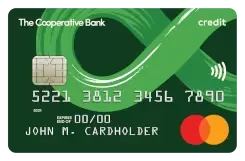
Option 1: The Co-operative Bank's Fair Rate credit card which charges an annual fee of $20 and offers an attractive long-term low interest rate.
The deal:
The deal:
- Interest rate: 0% for 6 months, then 12.95% afterwards
- Annual fee: $20 ($10 every six months)
- Monthly payments: Must be above the monthly minimum (either 3% or $10 of the balance owing - whichever is greater)
- For more details or to apply, visit the co-operative bank's website.

Option 2: Low Interest Rate, Balance Transfer Options and Zero Fees - Westpac Fee Free Mastercard
The deal:
The deal:
- Interest rate: 12.90% p.a.
- Annual fee: $0
- Balance transfer offer: 5.95% for the life of the balance
- Monthly payments: Must be above the monthly minimum (either 2% or $5 of the balance owing - whichever is greater)
- For more details or to apply, visit Westpac's website.

Option 3: ASB Visa Light
Our view: ASB offers a 0% balance transfer deal, with six months available to clear the balance and improve your financial habits. After six months, the annual interest charge increases to 13.50%. You must request a balance transfer in the first 30 days to get the 0% interest period, and you can't transfer a balance from another ASB card.
The deal:
Want to apply? Review the credit card in detail here (this link takes you to ASB's website)
Our view: ASB offers a 0% balance transfer deal, with six months available to clear the balance and improve your financial habits. After six months, the annual interest charge increases to 13.50%. You must request a balance transfer in the first 30 days to get the 0% interest period, and you can't transfer a balance from another ASB card.
The deal:
- Interest rate: 0% p.a. for six months, thereafter 13.50% p.a.
- Annual fee: $0
- Interest-Free Offers on Purchases: Yes, 6 months interest-free on purchases over $1,000
- Monthly payments: Must be above the monthly minimum (either 3% or $10 of the balance owing - whichever is greater)
Want to apply? Review the credit card in detail here (this link takes you to ASB's website)

Option 4: ANZ Low Rate Visa
Our view: The ANZ offers an attractive balance transfer with no annual fee. You'll need to pay the balance off within 24 months to avoid the 13.90% interest rate being charged on the remaining balance.
The deal:
Want to apply? Review the credit card in detail here (this link takes you to ANZ's website)
Our view: The ANZ offers an attractive balance transfer with no annual fee. You'll need to pay the balance off within 24 months to avoid the 13.90% interest rate being charged on the remaining balance.
The deal:
- Interest rate: 13.90%
- Annual fee: $0
- Balance transfer rate: 1.99% p.a. for 24 months
- Monthly payments: Must be above the monthly minimum (either 3% or $10 of the balance owing - whichever is greater)
Want to apply? Review the credit card in detail here (this link takes you to ANZ's website)

Option 5: Kiwibank - 1.99% p.a. for 6 months on any personal Kiwibank credit card
Our view: This isn't a separate card - it's a balance transfer offer that applies to Kiwibank's personal credit cards, so you pick the card first and take the offer with it. The Zero Visa is the one to choose for a transfer: no annual fee and 12.90% p.a. once the six months end. Six months at 1.99% is short, so it suits a balance you can clear in that time; if you can't, you're back at 12.90% on what's left.
The deal:
What you need to know:
Our view: This isn't a separate card - it's a balance transfer offer that applies to Kiwibank's personal credit cards, so you pick the card first and take the offer with it. The Zero Visa is the one to choose for a transfer: no annual fee and 12.90% p.a. once the six months end. Six months at 1.99% is short, so it suits a balance you can clear in that time; if you can't, you're back at 12.90% on what's left.
The deal:
- Balance transfer rate: 1.99% p.a. for 6 months, then the card's standard purchase rate (12.90% p.a. on the Zero Visa) on anything left
- Annual fee: $0 on the Zero Visa (the Platinum Visa charges $50 and adds travel insurance)
- Monthly payments: Must be above the monthly minimum (either 5% of the closing balance or $10 - whichever is greater)
What you need to know:
- You can only transfer a balance from a non-Kiwibank credit card; the minimum transfer is $200.
- Business credit cards are excluded.
- Kiwibank charges 1.85% on transactions processed overseas, including NZD purchases from offshore merchants (Netflix, Airbnb, most airlines) - which doesn't matter for a transfer, but does if you keep using the card afterwards.
- For more details or to apply, visit Kiwibank's balance transfer page.
