
The Best American Express Credit Cards (July 2024)
We break down each AMEX card's advantages, ideal user profile, costs, interest rates, reward systems, exclusive privileges, and critical factors to consider before you decide to become an AMEX cardholder.

Updated 4 July 2024
Summary
In this guide, we look at pros and cons of having an American Express credit card, as well as outline what we consider to be the best options offered. Our guide covers:
Best American Express Cards in a Nutshell:
Business Class flight awards:
Advertising Disclaimer: We may receive payment if you sign up for a credit card via MoneyHub - please read our advertising policy for more details.
Update: For the American Express Airpoints Platinum card, the current $59 spend = 1 Airpoints Dollar rate is valid until 2nd October 2024. From 3rd October 2024, the rate will change to $70 spend = 1 Airpoints Dollar. For the purposes of this guide, we have used the 1:70 rate.
- Our guide has been written to appeal to appeal to anyone looking for a good value credit card that offers rewards - American Express beats what the banks offer in terms of rewards, and for this reason they've become popular cards in recent years.
- Rewards will either be in Airpoints Dollars, or Membership Rewards points. What you earn depends on the card you choose and how much you spend.
- As stated above, American Express credit cards are provided directly by American Express. This means cards are not available through banks or other finance companies.
In this guide, we look at pros and cons of having an American Express credit card, as well as outline what we consider to be the best options offered. Our guide covers:
- The Best American Express Credit Cards
- American Express Credit Cards - Pros and Cons
- Applying for an American Express Credit Card
- Frequently Asked Questions
- Must-Know Facts
- Award-Winning Cards
Best American Express Cards in a Nutshell:
- The American Express Airpoints Platinum Card powers frequent flyers looking to soar with rewards. For every $70 you spend, you notch up 1 Airpoints Dollar, accelerating your journey towards your next destination on the Air NZ network.
- The American Express Airpoints Card is the perfect starter card for those new to the rewards game, offering a steady climb of 1 Airpoints Dollar per $100 spent (which is better than any bank-issued platinum card).
- The American Express Gold Rewards Card is a foodie's best friend, offering delectable dining credits to savour with generous Membership Rewards points on spending. This card caters to those who delight in dining out and turning every meal into points for future adventures.
- The American Express Platinum Card is the passport to unparalleled luxury. With a hefty bonus of Membership Rewards points on sign-up and a suite of benefits tailored for high-flying lifestyles, this card is a status symbol that pays for itself in perks and prestige.
Business Class flight awards:
- If you're looking to earn points for business class flights, they are available, but you'll most likely need an AMEX - our dedicated Credit Cards That Earn Business Class Flights guide has more details and everything you need to know to make it possible.
Advertising Disclaimer: We may receive payment if you sign up for a credit card via MoneyHub - please read our advertising policy for more details.
Update: For the American Express Airpoints Platinum card, the current $59 spend = 1 Airpoints Dollar rate is valid until 2nd October 2024. From 3rd October 2024, the rate will change to $70 spend = 1 Airpoints Dollar. For the purposes of this guide, we have used the 1:70 rate.
Airpoints Dollars vs Membership Rewards points - What's the Difference?
Most AMEX cards earn one or the other, so choosing a card that meets your reward preferences is essential. Here's the difference in the rewards programs:
Airpoints Dollars™
Membership Rewards points
Airpoints Dollars™
- This is the currency of the Air New Zealand Airpoints™ program. For every dollar you spend on eligible flights and services with Air New Zealand or their partners, you earn Airpoints Dollars. Think of them as virtual currency that can be redeemed for flights, upgrade bids and various other travel and non-travel-related products.
- They essentially work like cash; for instance, if you have 100 Airpoints Dollars, you can apply them towards a flight that costs $100 without spending additional money.
- More details: Our guide to spending Airpoints Dollars has more details.
- Cards earning Airpoints Dollars: The American Express Airpoints Platinum Card and the American Express Airpoints Card
Membership Rewards points
- These points are part of American Express's Membership Rewards® program, a versatile loyalty currency you can earn through eligible Amex credit cards. These points can be redeemed for various rewards, including travel, shopping, statement credit, dining, and entertainment.
- What makes these points particularly appealing is their flexibility - you can transfer them to multiple airline and hotel partners, book travel directly through the Amex portal or even use them to shop online.
- More details: Our guide to spending Rewards Points has more details.
- Cards earning Membership Rewards points: The American Express Gold Rewards Card and American Express Platinum Card
MoneyHub Founder Christopher Walsh shares his views about the best American Express Credit Cards:Banks (arguably) offer credit cards aggressively to their customers, but my view is that these cards don't deliver the value offered by American Express. American Express cards stand out by way of their Airpoints, rewards and cashback-earning, exceeding any other bank-issued card. However, as with any credit card, all the benefits are lost if you don't pay the balance in full every month.
Whatever card you decide, make sure it's the best for your immediate needs. There's no point getting a card "for later," as you'll either overpay and/or get the wrong rewards. For this reason, we've explained the cards in detail to help your decision-making process. If you are in any doubt about what you can afford, it's likely that the best credit card is "no credit card". Credit card debt is too expensive to carry, and New Zealand has too much of it already, and I don't want any more being created as many Kiwis find it increasingly difficult to repay". |

Christopher Walsh
MoneyHub Founder |
Discover Exclusive Rewards with MoneyHub's Best American Express Card Selections:
|
MoneyHub's meticulously selected American Express cards are focused on value and delivering rewards month after month. Our research reveals three stellar AMEX cards that promise more than just transactions; they open doors to a world of rewards and exclusive benefits for Kiwis:
Responsible Spending Reminder: MoneyHub advocates for financial well-being; if you foresee difficulties in settling the full balance monthly, please do not apply for a credit card. Remember, while AMEX cards offer remarkable advantages, the interest rates can pose a challenge if not managed prudently. |
The award-winning American Express Airpoints Platinum Card earns Airpoints Dollars at an unrivalled rate, and comes packed with a generous bonus, airport lounge vouchers, travel insurance and cardholder protections.
|

The Best American Express Credit Cards
From the five American Express credit cards offered, we've shortlisted those that stand out:
|
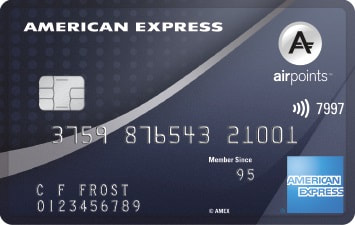
The Best Card for Earning Airpoints: The American Express Airpoints Platinum CardBest For: Frequent Flyers and Travel Insurance Seekers
We Say: The American Express Airpoints Platinum Card is the ace up the sleeve for frequent flyers looking to soar with rewards. For every $70 you spend, you notch up 1 Airpoints Dollar, accelerating your journey towards your next destination on the Air NZ network. The addition of comprehensive travel insurance and lounge passes make it a premium choice for travellers who value comfort and security as much as they do savings, and for this reason it's arguably AMEX's most popular card. Basics:
Benefits:
Learn more or apply |
|
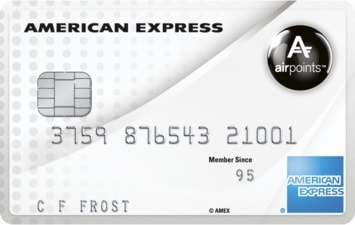
The Best Free Card for Earning Airpoints: The American Express Airpoints CardBest For: Cost-Conscious Airpoints Earners
We Say: If you're after Airpoints without paying a credit card annual fee to earn them, the American Express Airpoints Card is your ticket. It's the perfect starter card for those new to the rewards game, offering a steady climb of 1 Airpoints Dollar per $100 spent (which is better than any bank-issued platinum card). And with no fee for supplementary cards, it's an economical way to pool Airpoints across family members. Basics:
Benefits:
Learn more or apply |
|
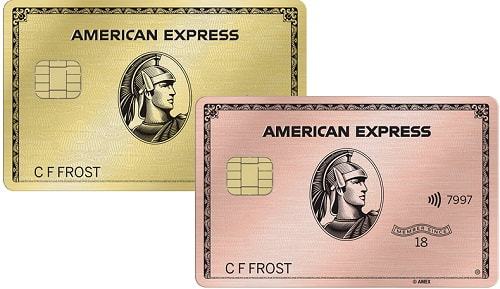
The Best Card for Diners, Travel and Non-Travel Rewards: The American Express Gold Rewards CardBest For: Dining Enthusiasts and Flexible Point Collectors
We Say: The American Express Gold Rewards Card is a foodie's best friend, offering delectable dining credits to savour. Coupled with its generous Membership Rewards points on spending, which is as good as currency in a traveller's wallet, this card caters to those who delight in dining out and turning every meal into points for future adventures. Basics:
Read more: American Express Gold Rewards Card Review Benefits include:
Learn more or apply |
|
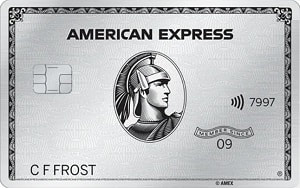
The Best Card for High Earning Travellers: The American Express Platinum CardBest For: The Ultimate Traveler with a Flair for Luxury
We Say: For the discerning globetrotter, the American Express Platinum Card is the passport to unparalleled luxury. With a hefty bonus of Membership Rewards points on sign-up and a suite of benefits tailored for high-flying lifestyles, this card is a status symbol that pays for itself in perks and prestige. It's particularly well-suited for business owners who can capitalise on paying expenses like IRD and ACC bills while earning points with RewardPay. Basics:
Benefits include:
Learn more or apply Know This: Are you a business owner? This card is popular with business owners and you can now use your AMEX to pay IRD and ACC bills using RewardPay. Our review explains how it works, what it costs and what benefits you will earn. |

American Express Credit Cards - Pros and Cons
Pros:
Cons:
- New Zealand's Highest Airpoints Dollar earning rate - $70 for 1 Airpoints Dollar, earned on the Airpoints Platinum Card, outperforms all other Air New Zealand credit cards
- Travel perks – some cards offer lounge access, travel insurance and sign-up bonuses.
- Favourable Customer Dispute Terms – if you experience fraud or wish to question a transaction, American Express will actively fight in your corner.
- Customer Service – With American Express you have a direct line, but if you use Visa and Mastercard you’ll have to deal with your bank. Most New Zealand banks use a multi-option call centre for credit card help with standard office hours. Any troublesome issues may be ‘referred’ to Visa or Mastercard for ‘review’ and 'decision'. American Express operates specific 0800 hotlines which are open 24/7 and makes decisions directly.
- Cards are increasingly accepted at major New Zealand retailers – You can use your card at Countdown, New World, PAK'nSAVE and other supermarkets. Other retailers include most petrol stations and airline websites. Our guide to AMEX acceptance has more details.
- American Express Membership Points - if your card earns points, there are dozens of partners and reward options
- Excellent benefits for the American Express Airpoints Platinum card – The $195 annual card fee comes with four lounge passes (two in Auckland International Airport, two for either Sydney International Airport or Melbourne International Airport). It also offers the highest Airpoints earning ratio; 1 Status Point per $250 spent. Add on free travel insurance, and it’s arguably a useful card to have.
- A No-Fee Option with Travel Benefits – The American Express Airpoints Card offers 1 Airpoints Dollar for every $100 spent and a signup bonus and doesn't charge an annual fee.
Cons:
- Many non-chain retailers don’t accept it – unlike Mastercard and Visa, which is primarily due to the high merchant fee Amex charges and favourable cardmember terms when disputes are raised.
- Membership fees for the Charge Card can be high (unless you’re a big spender) – most cards are competitively priced with their Mastercard and VISA counterparts. However, the American Express Platinum (Charge Card) has high $1,250 annual fee.
- Membership points partnerships – if you don’t spend at least $20,000 a year, a points-earning card would struggle to offer value.
Discover Exclusive Rewards with MoneyHub's Best American Express Card Selections:
|
MoneyHub's meticulously selected American Express cards are focused on value and delivering rewards month after month. Our research reveals three stellar AMEX cards that promise more than just transactions; they open doors to a world of rewards and exclusive benefits for Kiwis:
Responsible Spending Reminder: MoneyHub advocates for financial well-being; if you foresee difficulties in settling the full balance monthly, please do not apply for a credit card. Remember, while AMEX cards offer remarkable advantages, the interest rates can pose a challenge if not managed prudently. |
The award-winning American Express Airpoints Platinum Card earns Airpoints Dollars at an unrivalled rate, and comes packed with a generous bonus, airport lounge vouchers, travel insurance and cardholder protections.
|

Applying for an American Express Credit Card - What You Need to Know
To apply for any American Express credit card, you will need to:
You will need to provide:
Final steps:
- Be over 18 years of age.
- Have a good credit history.
- Be a permanent resident or citizen of New Zealand.
- Meet the minimum income criteria for your chosen Card.
- If you are self-employed, you will need to have been trading for at least 18 months, or 12 months if you have an existing American Express issued Card.
You will need to provide:
- A copy of your New Zealand driver’s licence (if you hold one)
- Personal information, including your current address details.
- A current email address and a mobile or landline number.
- Financial Information including your annual income, household income (if married/de facto), monthly living expenses, employment details, superannuation (if retired), or other sources of income.
- Details about any other credit cards and loans you have and their balances.
Final steps:
- American Express will perform a credit check to assess your financial history
- After that, American Express will assess your credit card application and provide a response in between 5 and 10 working days from when you submit your application.

Frequently Asked Questions
What makes American Express credit cards stand out from bank-issued cards?
American Express credit cards offer competitive rewards, such as Airpoints Dollars and Membership Rewards points, which almost always surpass the benefits of bank-issued cards. Additionally, American Express provides direct service, exclusive perks, and tailored options for various spending habits.
How do I choose between earning Airpoints Dollars and Membership Rewards points?
The choice depends on your personal preferences and spending habits. Airpoints Dollars are ideal for those who frequently fly with Air New Zealand and its partners. At the same time, Membership Rewards points offer flexibility with various redemption options, including travel, shopping, dining, and more.
Are American Express cards accepted everywhere in New Zealand?
While American Express is widely accepted in New Zealand, there may be some retailers that do not accept it due to higher merchant fees. It's advisable to check with the merchant or have a backup payment option. Our guide to AMEX acceptance has more details.
What are the criteria for applying for an American Express credit card?
Applicants must meet certain criteria, which typically include a good credit profile, a stable income, and being over the age of 18. Specific requirements can vary between different AMEX cards.
Is there a fee for additional cardholders?
No, American Express New Zealand does not charge a fee for supplementary cardholders on any of the cards outlined in our guide.
How does the American Express travel insurance work?
Comprehensive travel insurance is a benefit with certain AMEX cards, typically covering international and domestic travel. Policy coverage details and activation requirements are in each card's terms and conditions.
What should I consider before applying for a high-annual-fee American Express card?
Consider whether you'll use the card's benefits enough to justify the annual fee. High-annual-fee cards usually offer more rewards and benefits, which can be valuable to frequent travellers or those who spend heavily on their cards.
As a business owner etc, can I use my American Express card to pay government bills like IRD and ACC?
Yes, you can use your American Express card to pay IRD and ACC bills using services like RewardPay, although fees may apply. This allows you to earn points on these payments.
How does the interest-free period on American Express cards work?
The interest-free period is the time during which you can pay off your purchases without being charged interest, usually up to 55 days. To avoid interest, you must pay the full balance by the due date each month.

Five Must-Know American Express Credit Card Facts:

|
Selecting a Membership Rewards Points or Airpoints American Express needs consideration
Our view:
|

|
When dealing with credit cards and loyalty programs, you often come across specialised financial terms. It's important to understand these terms to make informed decisionsInterest Rate: This is the cost of borrowing on the card if you don't pay it off monthly. The interest rate is expressed as a yearly rate and includes fees and costs associated with the transaction. It's important to know the interest rate because any balances carried beyond the grace period will accrue interest at this rate. Status Points: These are different from the Airpoints Dollars or Membership Rewards points. Status Points are earned alongside these rewards and count towards your tier status in a loyalty program, e.g. Air New Zealand Airpoints or Qantas Frequent Flyer. For example, with flight programs, more Status Points mean a higher membership tier, which often grants access to exclusive benefits like lounge access, priority boarding, and additional baggage allowances. These points are a key part of airline loyalty programs as they incentivise frequent travel and brand loyalty. Understanding these terms will help you navigate the complexities of reward programs and make the best choices for your financial and travel plans. |

|
The 'Low Rate' credit card option won't earn any points or rewardsLow-interest rate credit cards are designed to appeal to those who may not be able to pay the balances regularly. If you are confident in paying off credit card bills every month, low rate cards may not be for you.
|

|
American Express cardholders are offered curated tickets via ‘American Express Experiences’Generally, American Express states that for certain concerts and events, cardholders have access to ‘the best-reserved tickets’.
|

|
To earn Airpoints, you’ll need to be a member of the Air New Zealand programIt’s free to join, and there is no annual fee. If you book domestic flights, there are no additional taxes or fees to pay either. If you book an international flight, you will have to pay these additional fees in cash (i.e. card or bank payment).
|

Award-Winning Cards - Our 2023 Editor's Choice Selection Reveals All
The following American Express cards feature in our 2023 Editor's Choice Awards:
|
|
Favourite Airline Credit Card - The American Express Airpoints Platinum Card
Our view:
MoneyHub's editor Christopher Walsh says: "Banks have scaled down what they offer regarding airline credit cards; we consider this the best Air New Zealand card, bar none, for any of the 500,000+ New Zealanders with a 'platinum' card". |
|
Favourite Rewards Credit Card - The American Express® Gold Rewards Card
Our view:
MoneyHub's editor Christopher Walsh says: "We're big fans of The American Express® Gold Rewards Card for many reasons. No other credit card offers so much flexibility and generosity, and as more major retailers take American Express, cardholders will compound their rewards and cashback without friction. The free travel insurance and annual dining credit are added perks to make this the ultimate rewards credit card for anyone who likes to dine out and travel locally or overseas". |
|
Favourite No Annual Fee Credit Card - The American Express Airpoints Card
Our view:
MoneyHub's editor Christopher Walsh says: "American Express' free credit card generously offers a 1% reward rate, unrivalled among other card issuers. While it is an Airpoints-earning card, the choice of awards offered is extended to cover thousands of options via the Airpoints online store. The card has a lot of power, no annual fee, and an interest rate in line with the market". |
Related Guides
- American Express Airpoints Platinum Credit Card Review
- American Express Platinum (Charge Card) Review
- American Express Platinum vs ANZ Platinum Visa
- American Express Platinum vs Kiwihank Platinum Visa
- American Express Platinum vs Westpac Platinum Mastercard
- Where are American Express Cards Accepted?
- Credit Cards That Earn Business Class Flights
- Air New Zealand Credit Cards
- Rewards and Cashback Credit Cards
- Best Credit Cards
- Balance Transfer Credit Cards
- Low Interest Credit Cards
- Best Foreign Currency Debit & Credit Cards
- Mastercard vs VISA
- Flight Centre Mastercard Review
- RewardPay Review
