
Best Electric Bikes 2024: A Guide to Buying an Electric Bike in New Zealand
Our guide explains everything you need to know to buy the right electric bike at the best price.
Updated 25 January 2024
Summary
Our Electric Bike guide covers:
- With their daily commutes on city streets to scenic countryside rides and off-road adventures, people all over New Zealand are discovering the benefits of e-bikes and why they’re such a welcome method of transportation, recreational activity and overall alternative to vehicles.
- Today, you can easily see e-bikes in Stewart Island and the Marlborough Sounds as you would in downtown Auckland.
- This guide is designed to explain all about electric bikes and help you make an informed e-bike purchase in New Zealand, while aligning your choice to match your unique needs and lifestyle. We also feature 20+ of the best electric bikes in New Zealand, based on variable budgets and requirements.
Our Electric Bike guide covers:

What is an electric bike, and what kind of types are available?
The first question you need to ask yourself is what riding position do you prefer, or how is it most comfortable to get on to a bike for you? This will decide your ideal frame shape.
Step Through vs Top Bar Electric Bikes - Pros and Cons
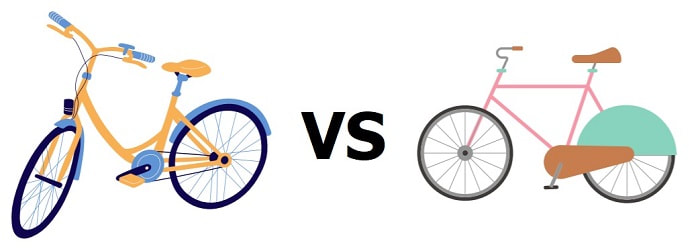
Step Through Electric BikesPros:
Cons:
|
Top Bar Electric BikesPros:
Cons:
|
Bike Purpose and Pricing
After choosing your frame style, you might need to narrow it further with riding position - you can be lent over forward or fully upright. Whatever feels most comfortable for you is the best position.
A more lent-over riding position is better suited to fast and technical riding, whereas more upright will take the weight off your lower back and arms for longer distanced riding. Most bikes can be altered to have a slightly different riding position but not completely changed.
The purpose of your electric bike
There are three major rider categories; the good news is that many bikes fit into more than one category.
Price Ranges
The next thing is to consider your price range. A good e-bike will cost you more, but there are still some excellent budget options. It is rare to find an e-bike for under $2,000 - if you do, it's arguable that the quality of parts used tend to make it unsafe. Furthermore, some cheap bikes will run lower quality brakes that will be unable to stop the power of the bike.
Know This:
A more lent-over riding position is better suited to fast and technical riding, whereas more upright will take the weight off your lower back and arms for longer distanced riding. Most bikes can be altered to have a slightly different riding position but not completely changed.
The purpose of your electric bike
There are three major rider categories; the good news is that many bikes fit into more than one category.
- Regular commuter (mostly on-road riding and everyday use)
- Weekend cruiser (a bit of on-road and off-road riding)
- Technical off-road rider (majority off-road riding with more technical aspects)
Price Ranges
The next thing is to consider your price range. A good e-bike will cost you more, but there are still some excellent budget options. It is rare to find an e-bike for under $2,000 - if you do, it's arguable that the quality of parts used tend to make it unsafe. Furthermore, some cheap bikes will run lower quality brakes that will be unable to stop the power of the bike.
Know This:
- Just because a bike looks like a good deal doesn't mean it is; there can be a lot more show than go bikes on the e-bike market as every bike manufacturer tries to bring down the prices of their budget options.
- When buying an e-bike, try and invest a bit more upfront so that it lasts longer and rides better. A good e-bike is worth investing in - it's a big purchase and one you don't want to repeat over and over.
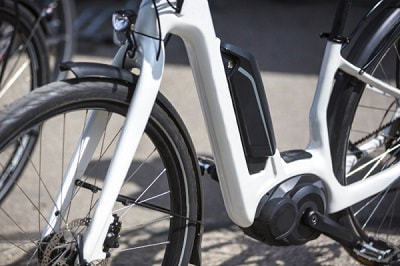
An electric bike is a power-assisted bicycle with an electric motor and built-in battery pack that can be charged to give you a power boost anytime you want it. You can ride your e-bike just like a normal bicycle or charge it up and take advantage of its power-assisted features to get further with less energy, surmount hills with ease, or simply have more incentive to go for a bike ride at your leisure. Electric bikes generally have the following features:
To give you a better understanding of how e-bikes work, and which one is best for you, we outline their features in greater detail in the section below.
- Variable speed which controls the power output of the motor.
- Multiple sensor options (depending on the model) which regulate how much assisted power you get. The power depends on how hard or how fast you are pushing the pedals.
To give you a better understanding of how e-bikes work, and which one is best for you, we outline their features in greater detail in the section below.
Types of Electric Bike
When choosing an electric bicycle, you’ll find that every model is either comes with a mid-drive motor or a hub-drive motor. Mid-drive motors and hub-drive motors are two different motor types that both offer unique advantages depending on how you ride your bicycle and where and when you want your power-assisted features to come into play.
Mid-drive motors explained
Hub-drive motors
When choosing an electric bicycle, you’ll find that every model is either comes with a mid-drive motor or a hub-drive motor. Mid-drive motors and hub-drive motors are two different motor types that both offer unique advantages depending on how you ride your bicycle and where and when you want your power-assisted features to come into play.
Mid-drive motors explained
- The motor is built into the crank compartment between the pedals
- It's designed to offer an extra measure of torque directly into the gears of your bicycle, minimising energy loss and maximising power.
- The motor's positioning makes for more efficient RPM and versatile riding with a balanced feel. It also makes it easier to climb steep hills and reach faster speeds.
- Mid-drive motors are relatively smaller and lighter and generally better with uphill and off-road efficiency and power.
- It's easier to change a tire.
Hub-drive motors
- The motor is attached to the centre of the rear or front wheel (typically the rear wheel).
- The design and placement make the motor ideal for long-distance commuting on generally flat terrain
- Generally, hub-drive e-bikes are more affordable than mid-drive bikes.
- Hub-drive motors are independent drive system that require little-to-no maintenance. They experience less wear-and-tear on other bike mechanisms such as the chain and shifters.
- Hub-drive motors run independently of a bike chain — you can break your chain and still ride home on electric power, and vice versa
What are the key features of electric bikes?
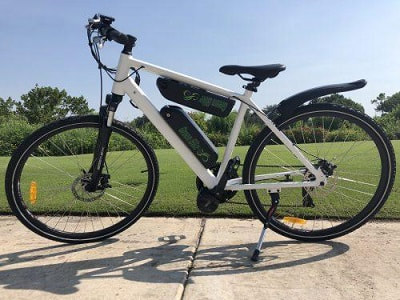
Electric bikes come with various features that make them an attractive choice of transportation and recreation for riders of all ages and lifestyles. To explain what's available and make your buying process more informed, we have included a list of features and what they mean. The aim is to give you a better idea of how an electric bike works and what benefits they offer.
Throttle mode
Many electric bikes come with a throttle mode feature. This is a button or twist grip which gives you an instant electric-powered boost the moment you activate it. Throttle mode is used to propel your bike forward without pedalling. Generally:
- Many e-bike throttles have an adjustable dial letting you control the power
- The throttle is most often using for boosting when going up uphill and over rough terrain
- But, every throttle use expends the battery capacity
- Energy efficiency is dependent on motor type
Pedal assist (Pedelec)
This feature provides electric-powered assistance while pedalling. The Pedelec feature gives riders a ‘smart bike’ feel as it makes pedalling more efficient and rewarding. With the pedal assist mode, riders can travel further and conquer obstacles such as hills and rough terrain with less difficulty and strain. Pedelic offers a greater electric bike range and efficiency, and makes riding enjoyable. Many e-bikes offer variable levels of pedal assistance such as:
- Low pedal assistance: this mode will leave you relying more on your physical strength and endurance to pedal while offering minimal electric assistance. This is an ideal setting for a more natural biking experience, a better workout, or to conserve battery while still receiving some power output.
- Medium pedal assistance: this mode strikes a balance between power assistance and physical exertion. You’ll feel like there’s a tailwind blowing behind you but will still need to pedal if you want to keep moving.
- Maximum pedal assistance: With this setting enabled, your bike will be delivering a maximum assistance boost and will make it relatively easy to pedal forward to your destination. This will be the highest available pedal assistance setting next to full-throttle mode.
Electric bike sensors
Electric bikes rely on specialised sensors to determine how much power assistance you’ll need during pedalling and will adjust electric output based on how much power you’re using or how fast your pedals are spinning. Electric bikes are either equipped with a torque sensor, a cadence sensor, or both.
Torque sensor
- Measures how much power you are using to push your pedals.
- Allows for electric power assist fluctuation based on how much physical power you are exerting.
- Emulates pedalling power very well and gives your bike a ‘smart’ feel.
- Relies on more advanced and sensitive equipment, so it is typically more expensive than other sensor types.
- Ideal for bike riding that involves a lot of pedalling or more demanding exertion as in the case of uphill and off-road riding.
Cadence sensor
- Applies pedal assistance based on how quickly you turn your pedals.
- Can be adjusted according to pedal assist level (low, medium, high, etc.).
- Works well with a throttle mode combination.
- Cadence sensors are favoured for commuting across mostly flat terrain and situations where less pedalling demand is preferred (i.e. to work, school, and general commuting)
How much does an electric bike cost in New Zealand?
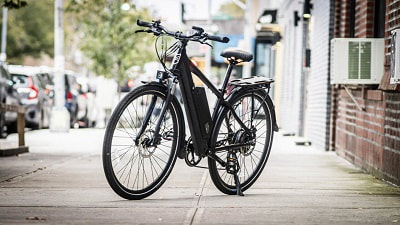
Just like any product, electric bike prices vary depending on your preferences and the selection of features which you want to have. Right now:
- A typical entry-point for a basic electric bike is around $2,500.
- High-end electric bikes can cost as much as $10,000 or more.
- While the importance of affordability should be a priority, your choice of electric bicycle should also be influenced by its role in your life and whether it’s an investment that will simply pay for itself in the long run.
What type of electric bike should I choose?
Your choice of electric bike should reflect your lifestyle and expectations in terms of performance and versatility. What model you select will most likely be driven by your day-to-day needs and budget.
Option one: Electric bike with hub-drive motor
- If the main purpose of your electric bicycle is for daily commute in your town or city, where roads are generally flat and you’re simply trying to get to-and-fro with minimal effort and as quickly as possible, a hub-drive e-bike is probably most suitable.
- A hub-drive motor e-bike with a cadence sensor should meet your everyday needs, and the right model can be more affordable than you think.
Option Two: Electric bike with mid-drive motor
- If your bicycle plays a more recreational role in your life, where mountain biking, town-to-town exploring and mobile workouts are your two-wheeled priorities alongside daily commuting, then a mid-drive motor with a torque sensor will allow you to get the absolute most out of your bicycle journeys. It will also help you to get plenty of exercise without getting totally burned out (or simply disengage all of your electric features and sweat away).
- Many e-bikes also come with both torque and cadence sensors (these bikes typically tend to be on the higher-end) and throttle mode can be included with any type of motor or sensor.
How far does an e-bike go on a single charge?
The answer depends on which type of e-bike you have and how you decide to utilise your power assist features. Some factors that will determine your battery’s power output include:
Generally, riders can expect their electric bicycle to cover roughly 30km or so on full assist mode or with extensive use of throttling to as much as over 100km on flat terrain and lower assistance levels on a single charge.
- Pedal assist settings
- How much you use the throttle mode
- Road surface or terrain
- Tyre pressure
- Wind resistance
- Bike model
Generally, riders can expect their electric bicycle to cover roughly 30km or so on full assist mode or with extensive use of throttling to as much as over 100km on flat terrain and lower assistance levels on a single charge.
Electric bike maintenance and servicing
- When buying an e-bike in New Zealand, one of the most important things you’ll need to consider is its long-term reliability.
- Specifically, does the e-bike come with an extended warranty? Does the supplier have available replacement parts here in New Zealand? If the answer to both of these questions is no, it may be best to consider a different retailer and e-bike brand that can offer a more reassuring service platform for your future needs.
- An electric bike is built with a lot of unique parts which will eventually require service as time goes by. Things such as the motor and battery should only be replaced with manufacturer’s parts, and even basic components may best be replaced with original parts to ensure smooth operation and performance.
We recommend calling-in or visiting the retailer of choice to discuss product warranty and available replacement parts. Fortunately, the ongoing electric bike boom in New Zealand has prompted many e-bike retailers and service providers to welcome e-bikes as a new bike standard and have expanded their repair bays and parts orders to accommodate a growing demand for electric bicycle repairs.

Lemon Test - Don't Buy an Unsuitable Electric Bike Model Without Checking What Really Matters
The team of experts at Bikes and Beyond have prepared this checklist to make sure you don't buy a sub-standard electric bike. If you're in doubt about anything, make sure you ask the person selling the electric bike - there are no silly questions when you're spending what a typical electric bike costs.
- Torsional rigidity. To test this, grab the steering and end of rear rack/top of the rear tire, pushing with one arm pulling with the other. Looking at the centre of the bike - is there a twist?
- Fork test, axial stability. Hold the front brake and wiggle the bike forward/backwards. Any play? Now, try doing this with a non-suspended bike. The difference is marked; do you need suspension? For commuting, it's good to know as you also save 2.5 kg weight.
- Add up your OHM's. wh= V x Ah - calculate how far the battery will take you.
- Wiring. Where does it run or feed? Internal cabling shows better design and quality.
- Do your due diligence on the bike shop. Is it a true Brick and Mortar shop, or one looking like it may move on after you buy it? Find out the retailer's history and how long they've been established. You will need them when it comes to spares, technical help, manuals, warranties etc.
- Rattle and hum test: How robust is the bike? Shake the bike, lift and drop it. Does it feel together?
- Bike the bike. Use pure pedal power. Turn the bike off and try it like an old bike. By doing so, you will tell if the geometry and design of the mechanical setup are up to scratch. An excellent electric bike starts by being a good bike.
- Size, and adjust rider position and comfort. Ask yourself, can I sit here for hours and hours? Don't rush a decision - test rides are recommended for this very reason.
The Best Electric Bikes Available in New Zealand Right Now
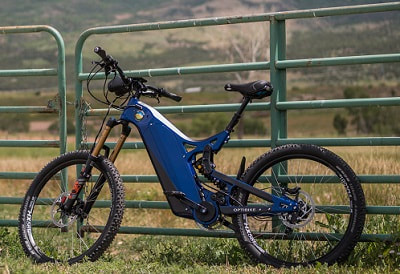
Our list below, which is in no particular order, covers electric bikes available New Zealand-wide. We have selected these based on average consumer reviews collected from consumer.org.nz as well as various vendor websites and social media platforms both in New Zealand and, if available, overseas.
Due to massive changes in market, some of these models may not be available immediately but there will be similar bikes around. Ask an e-bike expert about similar models to find the best model for your needs.
Due to massive changes in market, some of these models may not be available immediately but there will be similar bikes around. Ask an e-bike expert about similar models to find the best model for your needs.
Step Through - On-Road and City Use
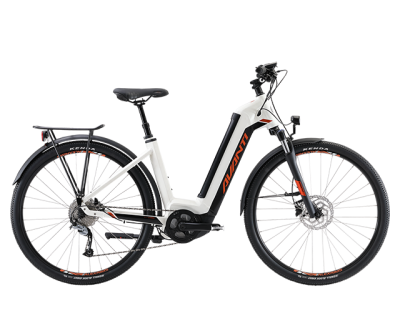
Avanti Metro-E City 2
|
Battery size: 500Wh
Motor: Bosch Active Line Plus (50nm) Drive train: Shimano Altus 9sp Overview: A fantastic bike with lots of extra features. Most popular for people using it as a weekend cruiser and/or regular commuter. More details: Product listing |
|
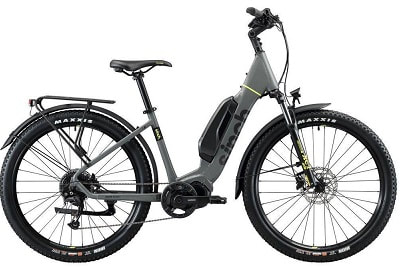
Sinch Juant 2
|
Battery size: 504Wh
Motor: Shimano E6100 (60nm) Drive train: Shimano Acera 9sp Overview: Kiwi designed, with a super light frame for the weekend cruiser or regular commuter. More details: Product listing |
|
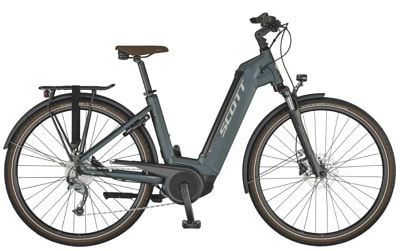
SCOTT Sub Active eRIDE USX
|
Battery size: 400Wh
Motor: Bosch Active line (40nm) Drive train: Shimano Alivio 9Sp Overview: European design with super low entry, for the weekend cruiser or regular commuter. More details: Product listing |
|
Step Through - Off-Road and Trail Use
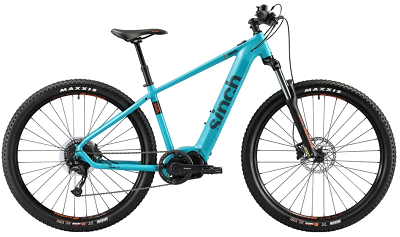
Sinch JAUNT EZ 3
|
Battery size: 504Wh
Motor: Shimano 6100 (60nm) Drive train: Shimano Alivio 9sp Overview: Designed for kiwi riders, with some little details making it a fantastic ride. Ideal for a weekend cruiser. More details: Product listing |
|
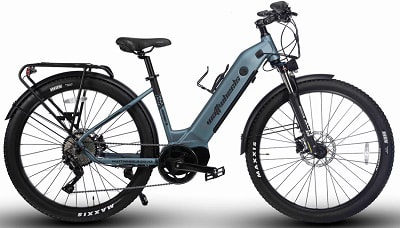
Wattwheels Bighorn LS
|
Battery size: 500Wh
Motor: Bosch Active Line Plus (50nm) Drive train: Shimano Altus 9sp Overview: A fantastic bike with lots of extra features. Most popular for people using it as a weekend cruiser and/or regular commuter. More details: Product listing |
|
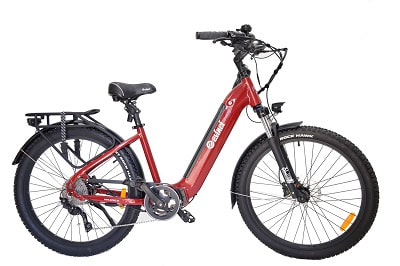
Evinci Kea
|
Battery size: 468Wh (upgradeable)
Motor: Dapu mid-drive (85 nm) Drive train: Shimano Deore 10sp Overview: This bike is amazing value, and a comfortable design from a Kiwi company, ideal for a weekend cruiser. More details: Product listing |
|
Top City Bikes
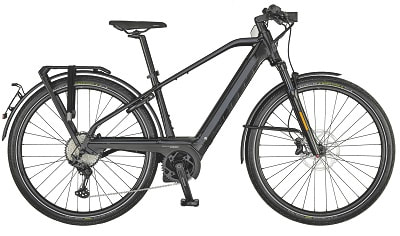
SCOTT Silence eRIDE 20
|
Battery size: 500Wh
Motor: Bosch Active Line Plus (50nm) Drive train: Shimano Altus 9sp Overview: A fantastic bike with lots of extra features. Most popular for people using it as a weekend cruiser and/or regular commuter. More details: Product listing |
|
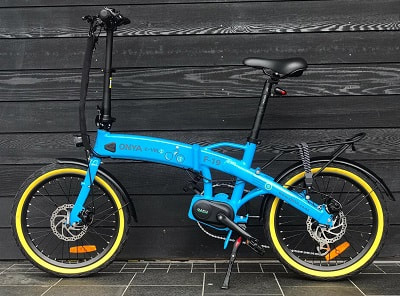
ONYA E-Bikes F-19
|
Battery size: 500Wh
Motor: Bosch Active Line Plus (50nm) Drive train: Shimano Altus 9sp Overview: A fantastic bike with lots of extra features. Most popular for people using it as a weekend cruiser and/or regular commuter. More details: Product listing |
|
Off-road, full suspension
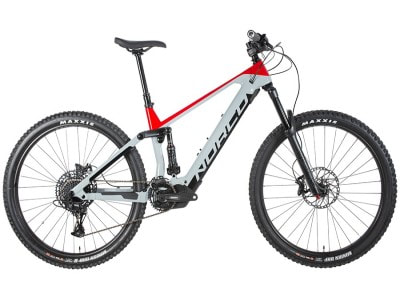
Nocro Sight VLT A2 29
|
Battery size: 500Wh
Motor: Shimano STEPS E7000 (60nm) Drive train: SRAM SX Eagle 12sp Overview: This is a carbon electric all-mountain bike with Norco’s legendary descending capability and quick, confident climbing. More details: Product listing |
|
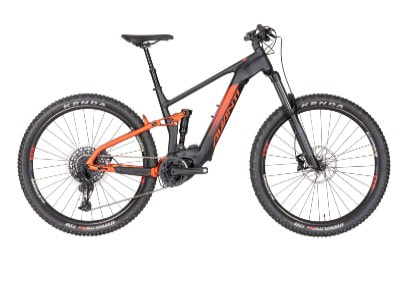
Avanti Hammer-e LT 1
|
Battery size: 500Wh
Motor: Bosch perfomance CX (85nm) Drive train: SRAM NX Eagle, 12sp Overview: Built with quality designed parts, with performance in mind it rides tricky trails with ease. More details: Product listing |
|
Off-road, Hard-tail
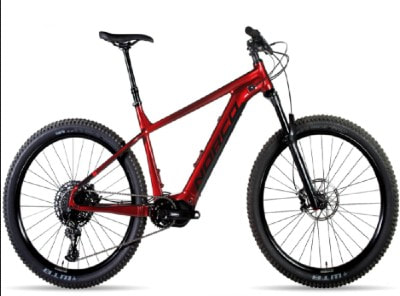
Norco Fluid VLT 1 Electric
|
Battery size: 630Wh
Motor: Shimano STEPS E8000 (70nm) Drive train: SRAM SX Eagle 12 Sp Overview: By integrating the latest in e-mountain bike technology into its ultra-light aluminium frame, makes it ideal for technical off road and weekend cruising. More details: Product listing |
|
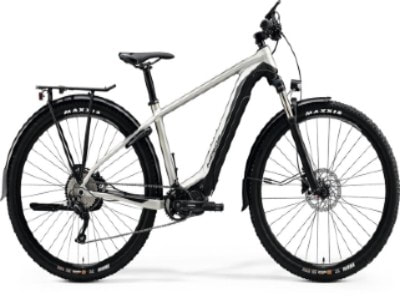
Merida eBIG NINE 400 EQ
|
Battery size: 630wh
Motor: Shimano STEPS E6100 (60nm) Drive train: Shimano Deore 10sp Overview: A sporty 29er frame with a comfortable riding position, with all the fittings for a perfect trail ride. More details: Product listing |
|
Family and Cargo
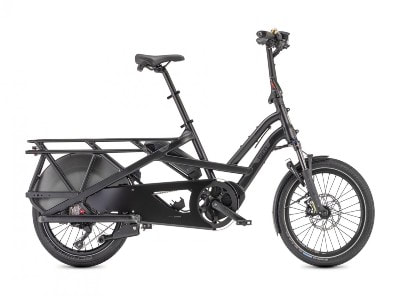
Tern GSD S10
|
Battery size: 400Wh
Motor: Bosch performance line (65nm) Drive train: Shimano Deore 10sp Overview: A cargo bike that is capable of fitting 2 kids seats without being longer than a standard bike, making it ideal for the modern family. More details: Product listing |
|
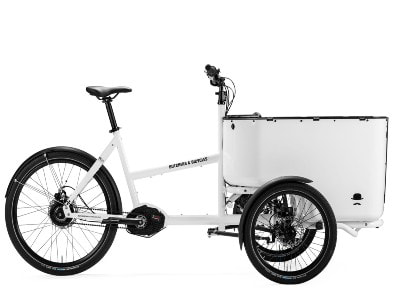
Butchers & Bicycles MK1-E
|
Battery size: 400wh
Motor: Bosch perfomace line Drive train: Nuvinchi hub belt drive Overview: This amazing tilting trike is ideal for carrying kids, it has the stability of a trike will riding and handling like a normal bike. More details: Product listing |
|
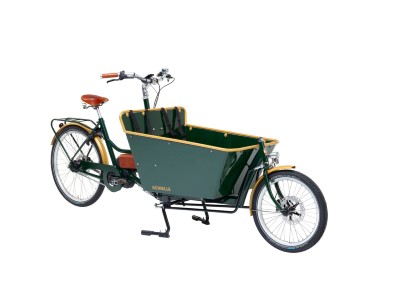
Achielle Ferre
|
Battery size: 500wh
Motor: Shimano steps 7000 ( 60nm) Drive train: Shimano Alfine 8speed Overview: A beautifully hand-built dutch bike, these bikes are made with care and style making them a fantastic ride. More details: Product listing |
|
Top bikes by price ($2,000 - $3,000)
ONYA F-19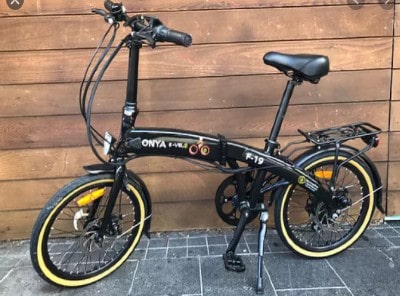
Overview: A 19kg folding bike, with plenty of grunt, designed for nz cities. More details: Product listing |
EVINCI Infinity Hub Drive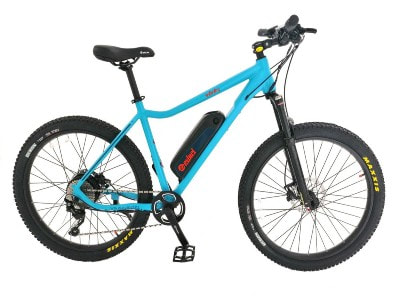
Overview: For under 3000 this bike can handle everything, with a torque-sensing rear-drive motor. More details: Product listing |
Top bikes by price ($3,000 - $4,000)
EVINCI Infinity Mid-Drive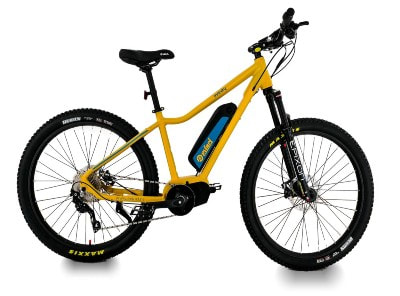
Overview: Evinci has again created a bike at a price that amazes us, the quality and parts make this a great buy. More details: Product listing |
Wattwheels Bighorn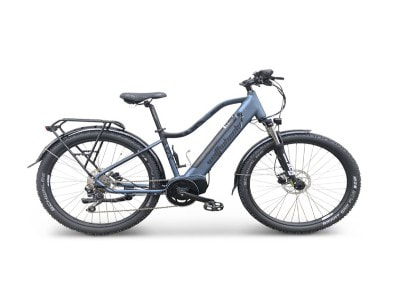
|
Top bikes by price ($4,000 - $5,000)
Avanti Metro-E City 2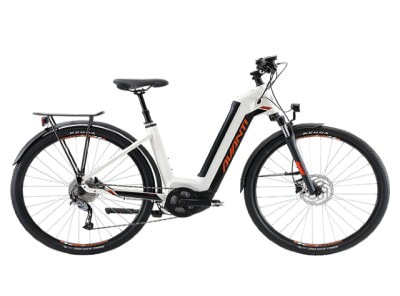
Overview: A low step-through with bosch technology and all the extra features any rider could need. More details: Product listing |
Sinch Juant 2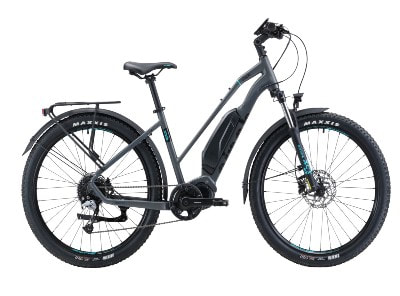
Overview: Super light frame, and comfortable riding position ideal for light trail riding. More details: Product listing |
Top bikes by price ($5,000 - $7,000)
Tern GSD S10
|
NORCO Fluid VLT 1 Electric
|
Top bikes by price $7,000+
Scott Silence eRIDE 20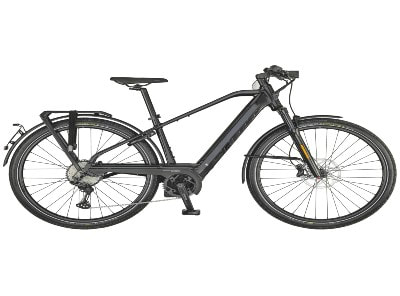
|
Scott Strike eRIDE 920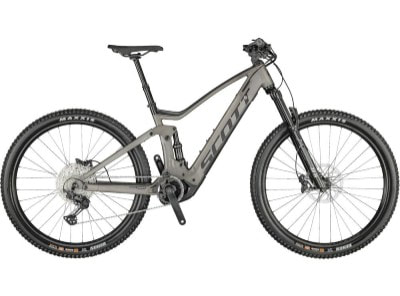
|

Buying a Second Hand Electric Bike Online - What You Need to Know to Avoid a Stolen Bike
Sadly, stolen electric bikes are more common than you may think. To protect yourself from buying stolen goods, The team of experts at Bikes and Beyond have prepared this suggested course of action:
When buying a second-hand electric bike online, keep in mind some will be stolen bikes. Ask yourself - does the person selling seem like this electric bike belongs to them? Are they a trusted seller on Trade Me or verifiable offline?
If you're comfortable dealing with the seller, the bike must have the following essential items:
If it's missing any of these items, this should be a big alarm that it's a stolen bike and best avoided. When buying an e-bike, the recommendation is to buy a high quilty lock, d-locks, or high safety-rated chains as soon as you take possession of it. Frame locks are another excellent option - make sure to buy an extension chain as well if you can.
When buying a second-hand electric bike online, keep in mind some will be stolen bikes. Ask yourself - does the person selling seem like this electric bike belongs to them? Are they a trusted seller on Trade Me or verifiable offline?
If you're comfortable dealing with the seller, the bike must have the following essential items:
- Charger
- Battery
- Keys
If it's missing any of these items, this should be a big alarm that it's a stolen bike and best avoided. When buying an e-bike, the recommendation is to buy a high quilty lock, d-locks, or high safety-rated chains as soon as you take possession of it. Frame locks are another excellent option - make sure to buy an extension chain as well if you can.
Related guides:
- Best Electric Scooters: Our guide explores different types of electric scooters available in New Zealand and factors to consider when buying one.
- Best Electric Cars: Our guide provides comprehensive information about electric cars, including types of electric vehicles, cost considerations, and frequently asked questions.
